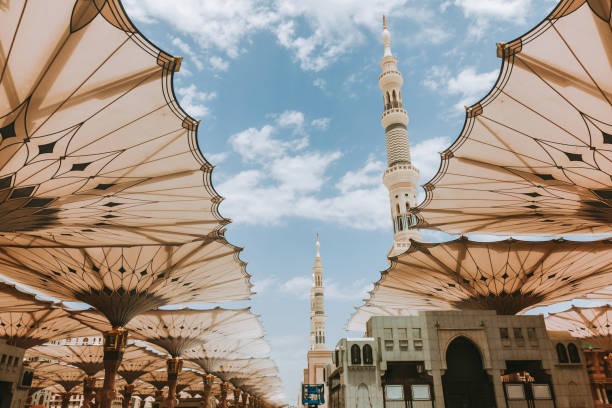
Saudi Arabia is widely known for its sacred cities and vast desert landscapes, but beyond the spiritual landmarks lies a remarkable story of innovation and devotion. Ain Zubaydah stands as one of the greatest historical water projects in the Islamic world. Built centuries ago to serve pilgrims traveling to Makkah, this extraordinary canal system reflects both advanced engineering and deep compassion.
If you’re planning a historical exploration, this Ain Zubaydah travel guide will help you understand why this site deserves a place on your Saudi Arabia itinerary. From its fascinating origins to its cultural significance, visiting Ain Zubaydah offers travelers a unique glimpse into the region’s rich Islamic heritage and architectural brilliance.
The Inspiring History Behind Ain Zubaydah
Ain Zubaydah was commissioned in the 9th century by Zubaydah bint Ja’far, the wife of Harun al-Rashid. Disturbed by the hardships faced by pilgrims due to water shortages, she funded the construction of a sophisticated water canal system stretching from natural springs near Taif to Makkah.
The project was groundbreaking for its time. Engineers designed canals, tunnels, reservoirs, and wells across mountainous terrain to ensure a steady water supply for travelers and residents. It was not just an infrastructure achievement—it was a humanitarian mission that served millions over the centuries.
Why Visit Ain Zubaydah?
1. A Journey into Islamic Engineering
Travelers interested in architecture and history will be amazed by the remains of the ancient canal system. Even today, parts of the structure demonstrate the precision and ingenuity of early Islamic engineering.
2. Spiritual and Cultural Significance
Located near the holy city of Mecca, Ain Zubaydah is closely tied to the pilgrimage routes of Hajj and Umrah. Visiting the site allows you to connect with the legacy of those who dedicated their wealth and knowledge to serving pilgrims.
3. Off-the-Beaten-Path Exploration
While many tourists focus on modern attractions in Saudi Arabia, Ain Zubaydah offers a quieter, reflective experience. It’s ideal for travelers who appreciate hidden historical gems.
Best Time to Visit
The ideal time to explore Ain Zubaydah and surrounding regions is between October and March, when temperatures are cooler and more comfortable for outdoor exploration. Summers can be extremely hot, making long walks challenging.
Travel Tips for Visitors
- Combine your visit with historical tours in Makkah (where permitted).
- Hire a knowledgeable local guide to understand the historical context.
- Wear comfortable footwear for walking on uneven terrain.
- Respect local customs and regulations, especially in religious areas.
Final Thoughts
Ain Zubaydah is more than an ancient water canal—it is a symbol of generosity, faith, and visionary leadership. For travelers exploring Saudi Arabia’s heritage beyond the modern skyline, this historical masterpiece offers a meaningful and educational experience.
Whether you are a history enthusiast, cultural traveler, or spiritual explorer, Ain Zubaydah promises a journey into the heart of Islamic civilization.