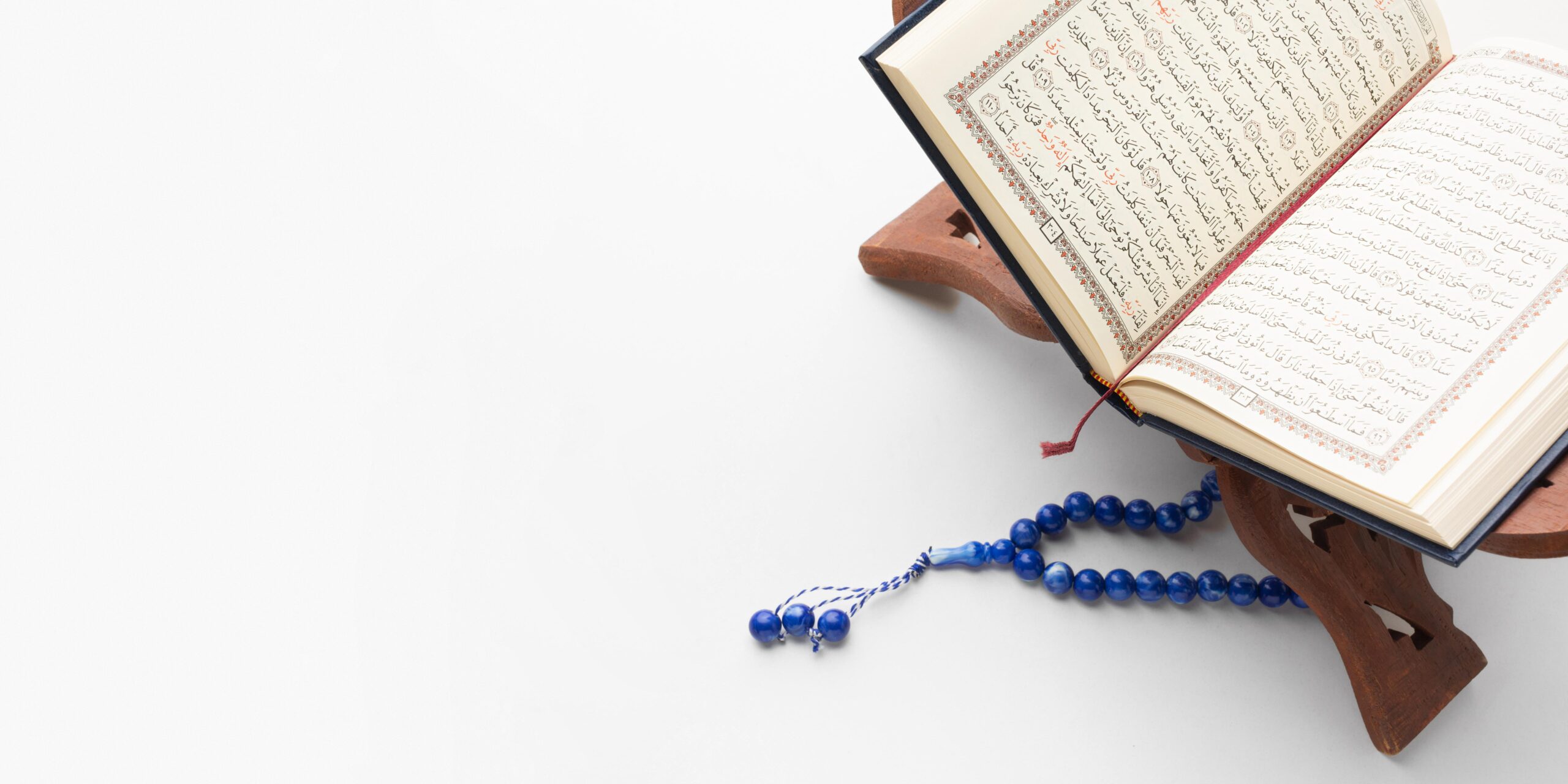
The Quran is the sacred book of Islam, and the word of Allah revealed to the Prophet Muhammad (peace be upon him). Muslims worldwide read and recite the Quran daily as part of their faith and worship. However, reading the Quran is not only about pronouncing the words. It is also about reciting them correctly, beautifully, and respectfully. This is where Tajweed becomes important.
Tajweed refers to the set of rules that help Muslims recite the Quran correctly. These rules ensure that every letter is pronounced from its proper place and with the correct characteristics. Learning Tajweed preserves the meaning of the Quran and enables the reciter to read the verses as they were revealed.
This article highlights the fundamental Tajweed rules that every Muslim should be familiar with.
What Is Tajweed?
The word Tajweed comes from the Arabic word “Jawwada,” which means “to improve” or “to make better.” In the context of Quran recitation, Tajweed means improving the way the Quran is recited by applying proper pronunciation and rules.
When Tajweed rules are followed, the recitation becomes clearer, more beautiful, and closer to the way Prophet Muhammad (peace be upon him) recited the Quran. Without Tajweed, mistakes in pronunciation may occur, sometimes altering the meaning of words.
Therefore, learning Tajweed is strongly recommended for all Muslims who wish to recite the Quran accurately.
Why Tajweed Is Important
Tajweed is important for several reasons. First, it helps preserve the Quran’s original pronunciation. The Quran has been recited in the same way for more than fourteen centuries, and Tajweed rules help maintain this tradition.
Second, Tajweed enhances the rhythm and melody of Quran recitation. Applying the rules makes recitation fluid and melodious.
Third, Tajweed prevents errors that could alter a verse’s meaning. Even minor mispronunciations can significantly change a word in Arabic.
For many Muslims today, learning Tajweed has become easier through structured lessons and teacher guidance. Many students also benefit from online Quran classes that allow them to learn proper recitation from qualified instructors at home.
Rule 1: Correct Pronunciation (Makharij)
One essential Tajweed rule is mastering the correct pronunciation of Arabic letters, known as Makharij. This refers to the exact spot in the mouth or throat from which each letter emerges.
Arabic letters come from different areas of the mouth, such as the throat, tongue, lips, and nasal passages. For example, some letters come from deep in the throat while others are pronounced using the lips.
Learning Makharij ensures each letter is pronounced distinctly and properly. Poor pronunciation can cause two letters to run together, leading to incorrect recitation.
Rule 2: Noon Sakinah and Tanween
Another basic rule covers Noon Sakinah (Noon without a vowel) and Tanween (double vowel marks at word endings).
There are four main rules related to Noon Sakinah and Tanween:
- Izhar (Clear Pronunciation) – The Noon sound is pronounced clearly.
- Idgham (Merging) – The Noon sound merges into the next letter.
- Iqlab (Conversion) – The Noon sound changes into a Meem sound.
- Ikhfa (Hidden Sound) – The Noon sound is partially hidden while reciting.
These rules preserve the tempo and purity of Quran recitation.
Rule 3: Meem Sakinah
Meem Sakinah refers to the letter Meem with a sukoon (no vowel). Similar to Noon Sakinah, it also has three rules:
- Ikhfa Shafawi – The Meem sound is slightly hidden before the letter Baa.
- Idgham Shafawi – Two Meem letters merge together with a nasal sound.
- Izhar Shafawi – The Meem sound is pronounced clearly before most letters.
These rules smooth recitation and prevent harsh or incorrect articulation.
Rule 4: Qalqalah
Qalqalah is a Tajweed rule that produces a slight echo when certain letters are pronounced with a sukoon. The letters of Qalqalah are:
ق ط ب ج د
When these letters appear without a vowel, the reciter produces a gentle echo. This separates these letters distinctly and enriches the rhythm.
Rule 5: Madd (Prolongation)
Madd means stretching vowel sounds during recitation when certain letters appear.
There are different types of Madd, but all involve lengthening the sound for a set count. This creates natural flow and beauty.
If Madd is not observed, recitation can sound hasty or incomplete.
Rule 6: Ghunnah (Nasal Sound)
Ghunnah is a nasal sound, occurring mainly with Noon and Meem when doubled (shaddah).
This sound lasts for about two counts and is made through the nose. Ghunnah adds resonance to Quran recitation and is central to Tajweed.
Mastering this nasal sound is important for proper recitation.
Learning Tajweed Step by Step
Learning Tajweed may seem daunting initially, but regular practice and sound guidance make it manageable. Beginners should start by mastering Arabic letters, their pronunciation, and fundamental rules step by step.
Studying Tajweed alongside an Arabic Language Course can also help students understand pronunciation and improve their reading skills. As learners become familiar with Arabic, applying Tajweed rules becomes much easier.
Consistency is essential. Even a brief daily practice can significantly improve Quran recitation.
Final Thoughts
Tajweed plays a vital role in preserving the beauty and accuracy of Quran recitation. By learning and applying these rules, Muslims can recite the Quran correctly and avoid pronunciation mistakes.
The basic Tajweed rules, such as Makharij, Noon Sakinah, Meem Sakinah, Qalqalah, Madd, and Ghunnah, form the foundation of correct recitation. Every Muslim who reads the Quran should try to understand and practice these rules.
With patience, dedication, and the right guidance, anyone can improve their Quran recitation and experience its true beauty. Learning Tajweed is not only about pronunciation; it is also a way to show respect and love for the words of Allah.