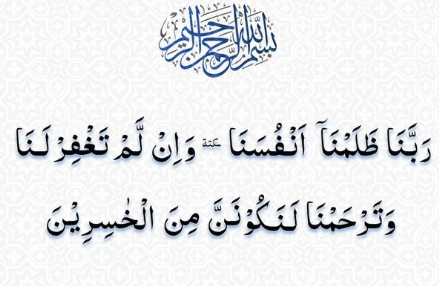
The supplication “Rabbana Zalamna Anfusana” holds a central place in Islamic teachings, representing a profound plea for forgiveness and guidance. Found in the Quran, this dua is recited by believers to acknowledge their own shortcomings and seek Allah’s mercy. In this article, we will explore the meaning, significance, and application of this dua as outlined in the Quran and the Sunnah.
Understanding the Meaning of Rabbana Zalamna Anfusana Dua
The Arabic phrase “Rabbana Zalamna Anfusana” translates to:
“Our Lord, we have wronged ourselves.”
This dua continues with a plea for forgiveness and divine mercy:
“If You do not forgive us and have mercy upon us, we will surely be among the losers.” (Quran, Surah Al-A’raf 7:23)
This verse emphasizes self-awareness, humility, and the need to seek Allah’s forgiveness. It acknowledges human fallibility and encourages turning to Allah sincerely.
Quranic Context of Rabbana Zalamna Anfusana Dua
Dua of Adam (AS) and Hawwa (AS)
The most famous instance of this dua appears when Prophet Adam (AS) and Hawwa (AS) realized their mistake after eating from the forbidden tree. Allah mentions in the Quran:
“Then Adam received from his Lord words [of repentance], and He accepted his repentance. Indeed, it is He who is the Accepting of Repentance, the Merciful.” (Surah Al-Baqarah 2:37)
This teaches believers the importance of immediate repentance and acknowledging one’s mistakes before Allah.
Lessons from Surah Al-A’raf
In Surah Al-A’raf (7:23), the dua is presented as a model of humility:
“Our Lord, we have wronged ourselves, and if You do not forgive us and have mercy upon us, we will surely be among the losers.”
This verse conveys three critical lessons:
- Acknowledgment of wrongdoing – Admitting sins without excuses.
- Seeking forgiveness – Turning to Allah with sincerity.
- Dependence on Allah’s mercy – Understanding that human efforts alone are insufficient.
Importance in Islamic Teachings
The Rabbana Zalamna Anfusana dua is not just historical; it serves as a practical guide for everyday repentance. The Prophet Muhammad (ﷺ) emphasized seeking forgiveness frequently. He said:
“By Allah, I seek Allah’s forgiveness and repent to Him more than seventy times a day.” (Sahih al-Bukhari 6307)
This shows that acknowledging one’s faults and seeking Allah’s mercy are central to a believer’s spiritual life.
How to Recite Rabbana Zalamna Anfusana Dua
- With sincerity: Understanding the meaning of the words.
- During prayers or private supplication: especially after Salah.
- In times of distress: or after committing a mistake, making it part of daily life.
- With consistency: Regular remembrance increases spiritual mindfulness.
Benefits of Reciting This Dua
Reciting Rabbana Zalamna Anfusana regularly brings multiple spiritual and practical benefits:
- Spiritual purification: Cleanses the heart from guilt and sin.
- Divine forgiveness: Strengthens the connection with Allah and ensures mercy.
- Humility and self-awareness: Encourage introspection and ethical living.
- Guidance and protection: Keeps believers mindful of their actions and accountable before Allah.
Conclusion
The Rabbana Zalamna Anfusana dua is a timeless supplication that teaches humility, repentance, and the importance of seeking Allah’s mercy. It reminds us that humans are prone to mistakes, but sincere repentance leads to forgiveness and spiritual growth. By understanding its Quranic context and incorporating it into daily life, believers can strengthen their relationship with Allah and cultivate a heart full of faith and humility.
For those seeking structured Islamic learning, resources, and detailed lessons on Quranic duas and teachings, Noor-Class provides comprehensive guidance and educational support for learners of all levels.
FAQs
Q1: Where is this dua mentioned in the Quran?
It is mentioned in Surah Al-A’raf (7:23), spoken by Adam (AS) and Hawwa (AS) after their mistake.
Q2: Can this dua be recited in daily life?
Yes, it is highly recommended to recite it during prayers, after Salah, or whenever seeking forgiveness.
Q3: What is the significance of this dua in Islam?
It emphasizes acknowledging sins, seeking forgiveness, and relying on Allah’s mercy, which are key aspects of a believer’s life.
Q4: Is there a specific time to recite it?
While it can be recited at any time, it is particularly encouraged after prayers and during moments of reflection or repentance.
Q5: Does the Sunnah support reciting this dua?
Yes, the Prophet Muhammad (ﷺ) frequently sought forgiveness and taught that repentance and dua are integral to faith.