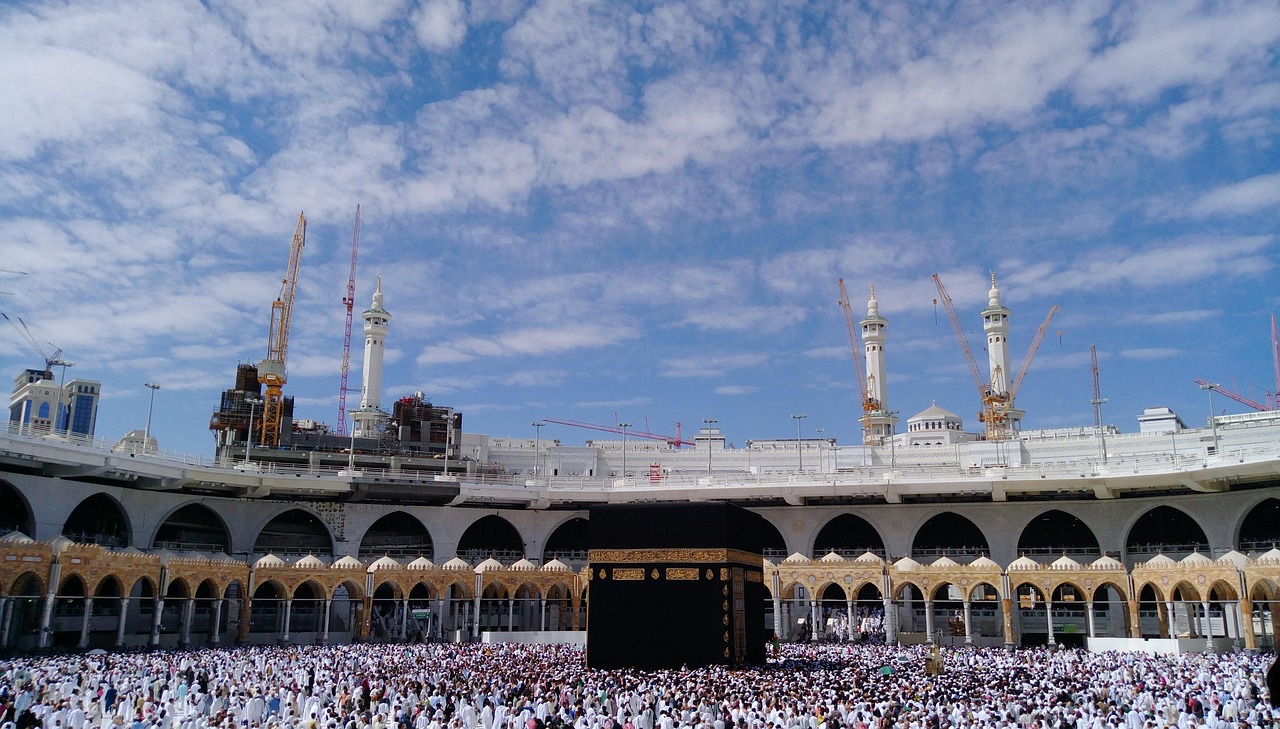
Every year, millions of Muslims travel to Makkah to perform acts of worship that strengthen their faith and connection with Allah. Among the most important pilgrimages in Islam are Hajj and Umrah. Although both involve visiting the holy city of Makkah and performing sacred rituals, they are different in purpose, timing, and obligations.
Understanding the difference between Hajj and Umrah helps Muslims prepare properly for their spiritual journey and appreciate the significance of each act of worship.
What Is Hajj?
Hajj is one of the five pillars of Islam and is compulsory for every financially and physically able Muslim at least once in a lifetime. It takes place during specific Islamic dates in the month of Dhul Hijjah.
Hajj includes several rituals performed over a number of days, including:
- Wearing Ihram
- Tawaf around the Kaaba
- Sa’i between Safa and Marwah
- Standing at Arafat
- Staying in Muzdalifah
- Rami (stoning the pillars)
- Animal sacrifice
Hajj represents unity, obedience, sacrifice, and complete submission to Allah.
What Is Umrah?
Umrah is a voluntary pilgrimage that can be performed at any time of the year. Although it is not obligatory like Hajj, it carries great spiritual rewards and is highly recommended in Islam.
The rituals of Umrah are simpler and shorter compared to Hajj. They include:
- Entering the state of Ihram
- Performing Tawaf
- Performing Sa’i
- Cutting or trimming the hair
Many Muslims perform Umrah to seek forgiveness, peace, and closeness to Allah. Today, many families search for Cheap umrah packages to make this spiritual journey more affordable and accessible.
Main Differences Between Hajj and Umrah
1. Obligation
Hajj is mandatory for eligible Muslims once in a lifetime, while Umrah is voluntary.
2. Time of Performance
Hajj can only be performed during specific days of Dhul Hijjah. Umrah can be performed throughout the year.
3. Duration
Hajj usually takes several days, while Umrah can often be completed within a few hours.
4. Rituals
Hajj includes more rituals such as Arafat, Muzdalifah, and Rami. Umrah involves fewer rituals.
5. Spiritual Status
Hajj is one of Islam’s pillars, while Umrah is considered a highly rewarding Sunnah act of worship.
Similarities Between Hajj and Umrah
Despite their differences, both pilgrimages share important similarities:
- Both are performed in Makkah
- Both require Ihram
- Both include Tawaf and Sa’i
- Both strengthen faith and spirituality
- Both encourage repentance and remembrance of Allah
Spiritual Importance of Both Pilgrimages
Both Hajj and Umrah provide Muslims with an opportunity to disconnect from worldly distractions and focus completely on worship. Pilgrims experience unity with Muslims from all around the world and develop patience, gratitude, and humility.
These journeys remind believers about equality, the temporary nature of life, and the importance of obedience to Allah.
Conclusion
Hajj and Umrah are both beautiful acts of worship that hold deep spiritual value in Islam. Hajj is an obligatory pillar performed during specific dates, while Umrah is a voluntary pilgrimage that can be performed any time of the year through various umrah packages from pakistan designed to help Muslims fulfill this sacred journey with ease.
Although their rituals and requirements differ, both journeys bring Muslims closer to Allah and strengthen their faith. Learning the difference between Hajj and Umrah helps believers better understand these sacred pilgrimages and prepare for a meaningful spiritual experience.